Climate Crisis Deepens in Lango as Parliament Orders Apac, Kwania and Oyam to Submit Damage Reports

Climate Crisis Deepens in Lango as Parliament Orders Apac, Kwania and Oyam to Submit Damage Reports
Parliament has given the leadership of Apac, Kwania and Oyam districts one week to submit detailed reports documenting the effects of climate change and proposed measures to address the damage affecting communities across the Lango sub-region.
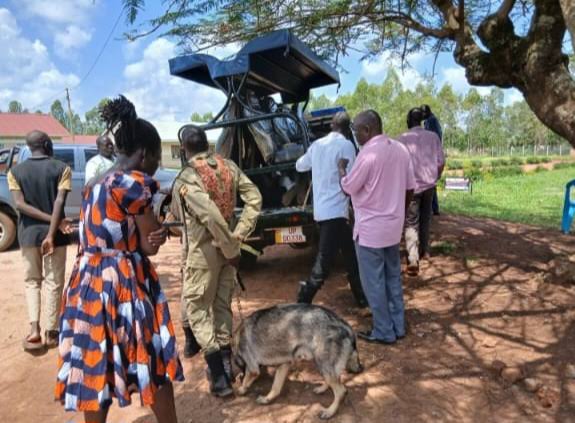
The directive was issued on Tuesday, August 25, 2026, during a meeting between the Parliamentary Committee on Climate Change and district leaders at the Apac District Council Hall. The committee, led by Bunya West MP Aggrey Henry Bagiire, is conducting a three-day fact-finding visit to the region.
More than 30 Members of Parliament attended the engagement, which brought together district administrators, environment officials, health officers and other technical personnel from Apac, Kwania and Oyam.
District officials outlined the growing challenges communities are facing as weather patterns become increasingly unpredictable. The reports are expected to give Parliament evidence on the scale of the damage and help lawmakers determine what national interventions may be required.
Erratic weather threatens agriculture
Agriculture remains a major source of livelihoods across the Lango sub-region, leaving farming communities particularly vulnerable to changing rainfall patterns, prolonged dry periods and sudden heavy rains.
Earlier in July, the Ministry of Water and Environment warned that Northern Uganda was facing warmer-than-normal conditions and suppressed rainfall, with potential consequences for crop yields, livestock, pasture and water availability.
Parliament also previously backed calls for urgent government intervention over the worsening drought and hunger situation in Northern Uganda, including support for affected households, agricultural inputs and stronger climate early-warning systems.
The latest district-level assessment comes as communities continue to deal with the consequences of increasingly erratic weather, which can affect planting schedules, crop development and harvests.
Heavy rains damage roads and raise transport costs
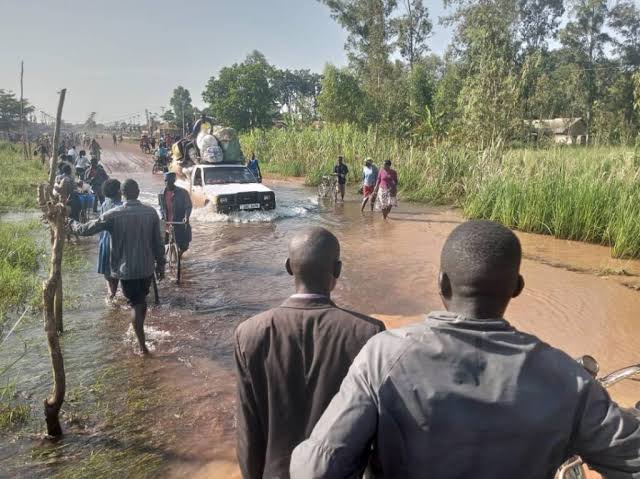
The climate pressure is being compounded by heavy rains that have damaged roads in several parts of northern Uganda.
A spot check by Lango News this week found damaged bridges, flooded sections and impassable stretches in Apac and Oyam, with farmers struggling to move produce to markets and residents facing difficulties accessing healthcare.
In Oyam, taxi fares on the Lira City–Ojwii Trading Centre route have reportedly increased from Shs10,000 to Shs20,000 as poor road conditions make transportation more difficult and expensive. A damaged bridge at the Alito–Aleka border has also disrupted movement between communities.
In Apac, residents have identified the Corner Chegere–Corner Kidilani road among the affected routes, with poor road conditions making it difficult for farmers to transport produce and for patients to reach health facilities.
Parliament wants evidence for government action
Speaking during the Apac meeting, Committee Chairperson Bagiire said all concerns raised by the three districts should be documented and submitted to the committee as evidence for presentation to Parliament.
The reports are expected to capture the climate-related challenges affecting communities, existing interventions and areas requiring additional government support.
The committee's Vice Chairperson, Bungokho North MP Wanyenya Shafiga, also commended Kwania District for its submission and urged local authorities to implement recommendations aimed at addressing climate-related challenges.
The situation highlights the connection between climate change, food security and infrastructure. When heavy rains destroy roads and bridges, farmers can lose access to markets even after successfully harvesting their crops, while higher transport costs can further reduce household incomes.
With the three districts now required to submit detailed evidence, attention is turning to whether the findings will translate into government funding, climate-resilience measures, agricultural support and urgent road interventions for communities facing the effects of increasingly unpredictable weather.
For Apac, Kwania and Oyam, the challenge is no longer only about changing weather, it is about protecting food production, livelihoods, roads and access to essential services in the face of a changing climate.
Related Stories

Lira City: 25-Year-Old Man Killed in Suspected Mob Justice After Alleged Burglary
Lira Police Arrest 42 Suspects in Night Crime Crackdown, Recover Pangas and Opium
Tensions Rise in Lira as Airport Land Boundary Dispute Leaves Residents Facing Eviction