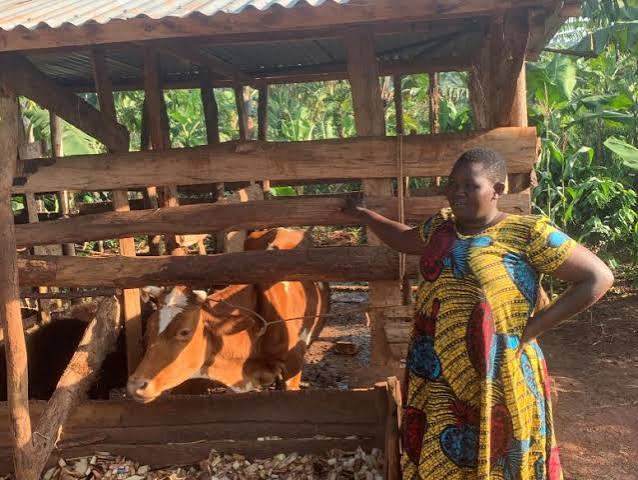
Government Probes PDM, Emyooga and Cattle Restocking Programmes in Lango

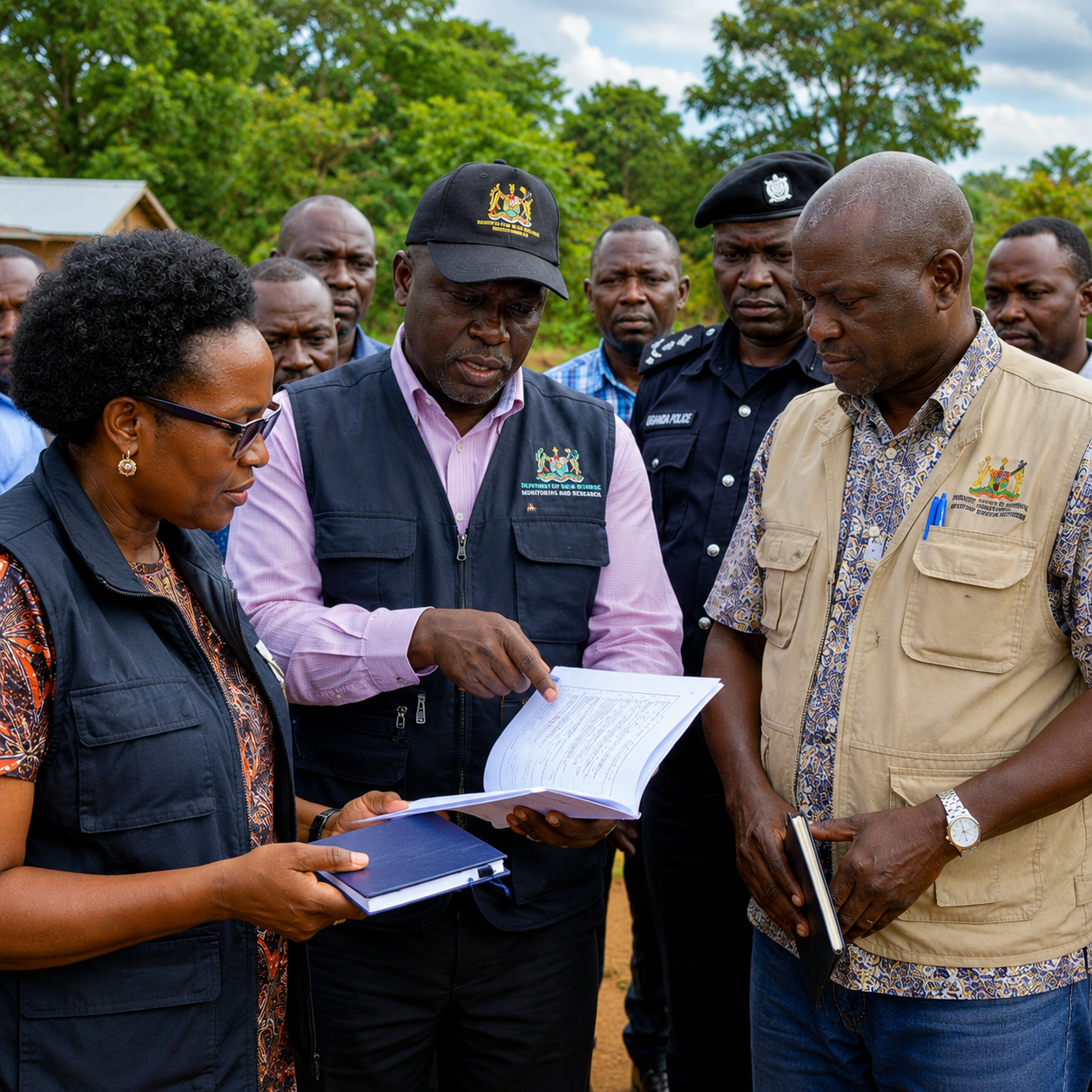
The government has launched an oversight exercise in the Lango sub-region to assess the implementation and impact of major wealth-creation programmes, including the Parish Development Model (PDM), Emyooga and the cattle restocking programme.
The inspection is being conducted by the Office of the President’s Department of Socio-Economic Monitoring and Research with officials visiting districts including Lira, Apac, Otuke and Dokolo.
The exercise is intended to establish whether beneficiaries are being properly selected, whether funds and other resources are being accounted for, and whether the programmes are achieving their intended objectives.
Government checks beneficiary selection
The monitoring comes as the government continues to invest heavily in programmes aimed at improving household incomes and moving communities from subsistence production to commercial economic activities.
Officials are expected to examine how beneficiaries of PDM and Emyooga are identified and whether the resources provided are being used for the purposes for which they were intended.
PDM was introduced to support households at the parish level to increase production, improve incomes and participate in the money economy.
Emyooga, meanwhile, provides financial support through organised groups and is designed to promote enterprise development, savings and income-generating activities.
Despite these interventions, concerns about access to funds, beneficiary selection, accountability and the sustainability of supported enterprises have continued to arise in different communities.
The government monitoring exercise is expected to identify gaps and provide recommendations for improving implementation.
Cattle compensation and restocking programme reviewed
The government is also reviewing the cattle compensation and restocking programme in Lango and Teso to determine whether it has successfully helped affected communities rebuild their livelihoods.
Livestock has traditionally been an important source of wealth, food and household income in the two sub-regions.
However, historical losses of cattle left many families without an important economic asset. The compensation and restocking programme was introduced as part of broader efforts to restore livelihoods and help affected communities rebuild their productive capacity.
The latest review will assess whether the cattle distributed under the programme have reached the intended beneficiaries and whether the initiative has made a meaningful contribution to household economic recovery.
Residents want programmes to deliver results.
For many communities in Lango, government wealth-creation programmes remain an important opportunity to improve livelihoods, particularly for farmers, small-scale entrepreneurs and organised community groups.
Residents, however, expect the monitoring exercise to go beyond checking records and establish what is happening on the ground.
Beneficiaries want greater transparency in the selection process and accountability for public resources so that support reaches households and groups that genuinely qualify.
They also want government to strengthen follow-up after funds or livestock are distributed to ensure beneficiaries receive the necessary support to make their enterprises sustainable.
Findings could shape future programmes.
The findings of the inspection could help government identify weaknesses in the implementation of PDM, Emyooga and cattle restocking initiatives and determine where corrective measures are needed.
For districts such as Lira, Apac, Otuke and Dokolo, the success of these programmes is closely linked to efforts to increase household incomes, strengthen agricultural production and create sustainable sources of employment.
The review is therefore being watched closely by communities across Lango, with residents expecting the exercise to provide clear answers on whether government’s wealth-creation programmes are producing tangible improvements in household livelihoods.
As the monitoring continues, the key question for many beneficiaries remains whether these programmes are reaching the people they were designed to support — and whether the resources allocated are translating into lasting economic opportunities for communities
Related Stories
Government Launches Inspection of PDM, Emyooga and Cattle Restocking Programmes in Lango
Security Crackdown Uncovers Suspected Toxic Alcohol Production in Lira City
Amolatar Leaders Demand Urgent Relief as Flooding Displaces Communities