Lango Culture: Preserving Our Heritage, Strengthening Unity and Connecting Generations

From the traditional stories shared around evening fires to the powerful symbolism of the Amuka, Lango culture carries a rich history that connects generations. As the Lango people continue to embrace modern life, cultural leaders are calling for greater unity among the clans and renewed efforts to teach young people about their roots.
The Lango people are one of the communities of Northern Uganda, mainly found in the Lango Sub-region, with Lira City serving as one of the region's major urban centres. Lango has a rich cultural heritage built around traditional values, family, agriculture, music, dance, storytelling and strong community relationships.
For generations, Lango culture has been passed from elders to younger people through stories, traditional practices, ceremonies, music and community gatherings. Today, preserving this heritage remains important in helping younger generations understand their roots and appreciate their identity.
The Amuka: A Symbol of the Lango People
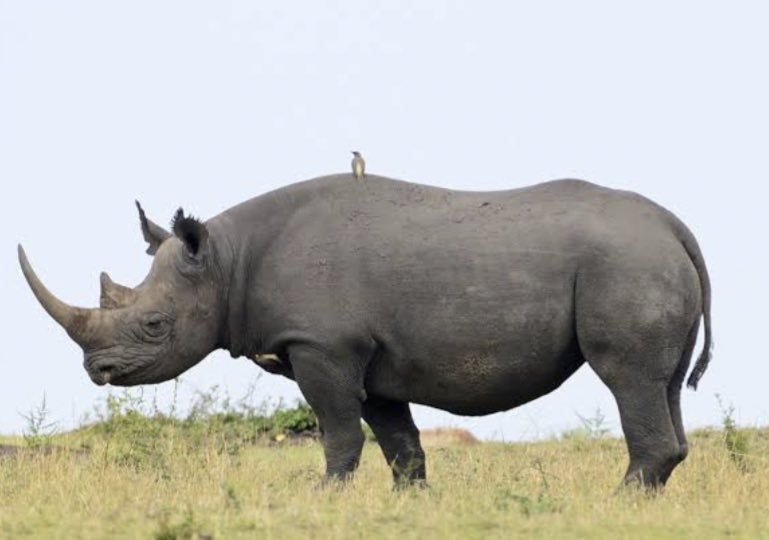
The Amuka is an important cultural symbol representing the Lango people. The nature and character associated with the Amuka can be described as calm, strong, independent, protective, territorial and courageous, while also being potentially aggressive when threatened. The calm nature of the Amuka represents peace, patience and wisdom. Its strength and independence symbolise the determination and resilience of the Lango people to stand firmly in protecting their identity, community and cultural heritage. The protective character of the Amuka can be seen as a representation of the responsibility of the Lango people to protect their families, land, culture and traditions. Its territorial nature reflects the strong connection between the people and their homeland, as well as the importance of belonging and cultural identity. The courage of the Amuka also represents the bravery of the Lango people in facing challenges. When threatened, its potentially aggressive nature symbolises the willingness and determination to defend what is valued and protected. Therefore, the Amuka is more than just a cultural symbol. It represents the strength, courage, resilience, independence, protection and identity of the Lango people. It serves as a reminder to present and future generations to remain proud of their roots, protect their cultural heritage and stand together as one people.
Engineer Doctor Odongo Okune: The Won Nyaci of Lango
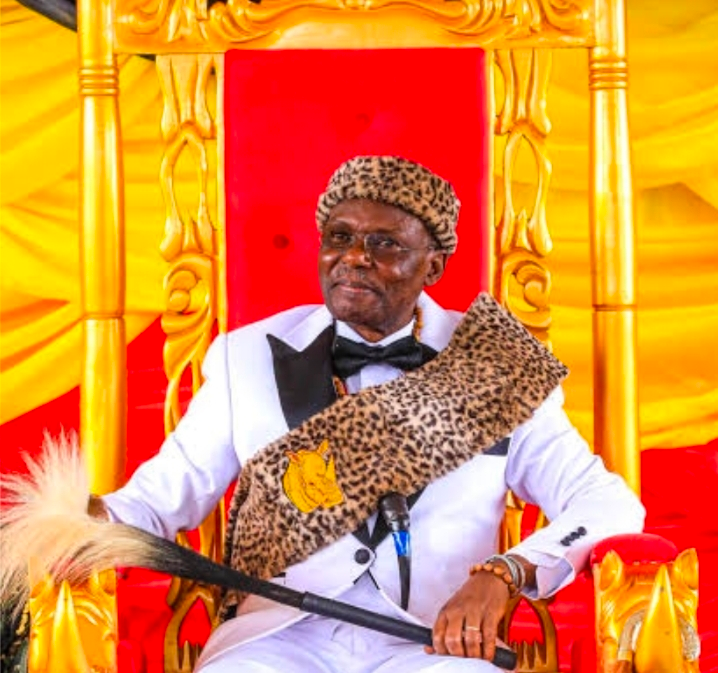
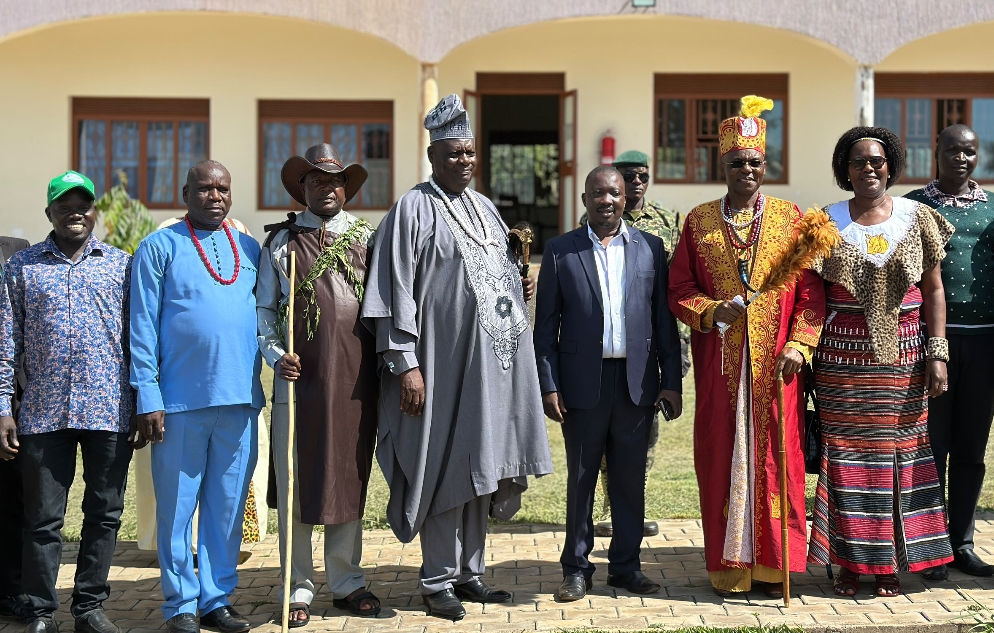
The cultural leader of the Lango people is Engineer Doctor Odongo Okune, the Won Nyaci of Lango. The Won Nyaci plays an important role in promoting, preserving and representing Lango culture and encouraging unity among the people. During a speech, Engineer Doctor Odongo Okune called for total unity among the different clans in the Lango Sub-region. He noted that Lango is made up of different clans, each headed by a clan leader known as an Awitong. He emphasised that although the people belong to different clans, there should be total unity among them. He encouraged the different clans to work together to strengthen togetherness, harmony and unity throughout the Lango region. Engineer Doctor Odongo Okune further emphasised the importance of promoting Lango cultural heritage and teaching the younger generation about the cultures and traditions of their land. He stressed that young people should know their roots and understand the values and traditions passed down by their ancestors.
Promoting Cultural Dance and Traditional Wear
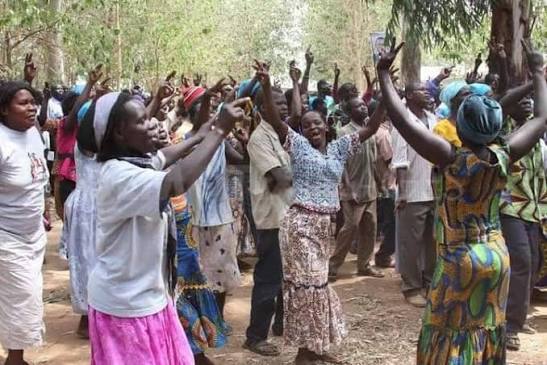
The Won Nyaci also emphasised the importance of cultural dance and traditional wearin promoting Lango's cultural background. He encouraged the people of Lango to wear their traditional cultural clothing and showcase their cultural dances, particularly during cultural events and celebrations. According to him, making cultural dance and traditional wear a regular part of cultural occasions can help keep Lango traditions visible and encourage younger generations to appreciate their heritage. Cultural dances provide an opportunity for people to showcase traditional music, movements and community expressions, while traditional clothing allows people to visibly identify with and celebrate their cultural background. Promoting these practices during cultural events can therefore help preserve Lango's cultural identity and ensure that younger generations become familiar with the traditions of their people. According to the Won Nyaci, cultural preservation should not only be left to elders. Young people should actively participate in cultural events, learn traditional dances and understand the meaning and importance of their cultural clothing.
The Awitong and the Different Lango Clans
Lango is made up of different clans, each with its own history, traditions and leadership. The heads of these clans are known as Awitong. The Awitong have an important responsibility in guiding their respective clans and helping preserve cultural values and traditions. They also have an important role in encouraging unity and cooperation among their people. The call by Engineer Doctor Odongo Okune for unity among the clans highlights the importance of seeing the different clans as part of one larger Lango community. Despite differences between clans, shared cultural heritage can provide a strong foundation for unity.
Storytelling Around the Fireplace
Storytelling is an important part of Lango cultural heritage. Traditionally, parents and grandparents would sit with their children and grandchildren around a fire, especially in the evening, and tell them stories. These stories were not only for entertainment but also served as an important way of teaching the younger generation about life and the values of their community. Through storytelling, children learned about respect, good behaviour, courage, responsibility, unity and cooperation. Parents and grandparents used these moments around the fireplace to share stories about their people, experiences, traditional knowledge and lessons from previous generations. This helped children understand where they came from and appreciate their cultural roots. The fireplace therefore became a place of learning and connection, where knowledge and wisdom were passed from one generation to another. It also strengthened relationships between grandparents, parents, children and grandchildren.
Traditional Music and Dance
Music and dance are important parts of Lango cultural expression. Traditional performances are presented during cultural celebrations, community gatherings, festivals and other special occasions. Drums, singing and dancing bring people together while helping preserve cultural memories. Young people can learn traditional songs and dances from older generations, helping ensure that these traditions continue. The call by the Won Nyaci for greater use of cultural dance during cultural events provides an opportunity for communities to give young people a practical way to learn and participate in their heritage.
Traditional Dress and Cultural Identity
Traditional clothing is another way through which Lango culture is celebrated. During cultural events, people can wear traditional or culturally inspired attire that reflects pride in their heritage. The Won Nyaci encouraged the people to make cultural wear more visible during cultural events as a way of promoting the Lango cultural background. Traditional clothing gives people an opportunity to express their identity and helps younger generations recognise and appreciate the clothing associated with their cultural heritage.
Agriculture and Traditional Life
Agriculture has long been an important part of life in the Lango Sub-region. Many families depend on farming for food and income, growing crops such as maize, millet, cassava, groundnuts, beans and sweet potatoes. Farming has also traditionally encouraged cooperation among families and neighbours. During planting and harvesting seasons, community members can come together to support one another, strengthening relationships within the community.
Food and Hospitality
Food is an important part of Lango family and community life. Locally produced foods form an important part of daily meals, while sharing food during celebrations and gatherings is an expression of hospitality and togetherness. Welcoming visitors and sharing what one has with family members, neighbours and guests reflects the importance of community relationships.
The Importance of Preserving Lango Heritage
Modernisation and changing lifestyles have created challenges for cultural preservation. As young people increasingly interact with different cultures through technology, education and social media, some traditional practices may become less common. This makes the role of parents, grandparents, elders, Awitong, the Won Nyaci and the wider community increasingly important. Teaching children traditional stories, encouraging participation in cultural activities, wearing traditional clothing, performing cultural dances and documenting traditional knowledge can help prevent important aspects of Lango culture from being forgotten.
A Heritage for Future Generations
Lango culture is more than traditional dance, clothing, food or ceremonies. It represents the history, values, knowledge, identity and unity of the Lango people**. The Amuka with its qualities of calmness, strength, independence, protection, courage and determination, represents important characteristics associated with the Lango people. Engineer Doctor Odongo Okune, the Won Nyaci of Lango**, provides cultural leadership, while the Awitong lead the different clans that make up the wider Lango community. The tradition of parents and grandparents sitting around the fireplace with children and grandchildren demonstrates how cultural knowledge has traditionally been passed from one generation to another. The message of unity among the different clans, the promotion of cultural dance and traditional wear, and the call to teach young people about their roots are important steps towards preserving Lango identity. By embracing their heritage, wearing their cultural attire, participating in traditional dances, listening to the wisdom of elders and standing together as one community, the people of Lango can ensure that their culture continues to live on for generations.
Lango culture is a proud heritage of Northern Uganda—a heritage of strength, courage, unity, resilience, family, hospitality and identity that deserves to be celebrated, protected and passed on to future generations.
Related Stories
Lango Speaker Warns Former Clan Leaders Against Defying Elders’ Decisions on Leadership Changes
Won Nyaci Unveils New Cabinet, Seven Committees in Major Lango Governance Restructuring
Teso Paramount Chief Strengthens Cultural Ties with Lango During Lira Visit