Lango Professionals Challenged to Reverse Rising School Dropouts

Lango’s education system is facing a serious retention challenge, with a large number of children entering primary school but failing to progress to secondary and tertiary education.
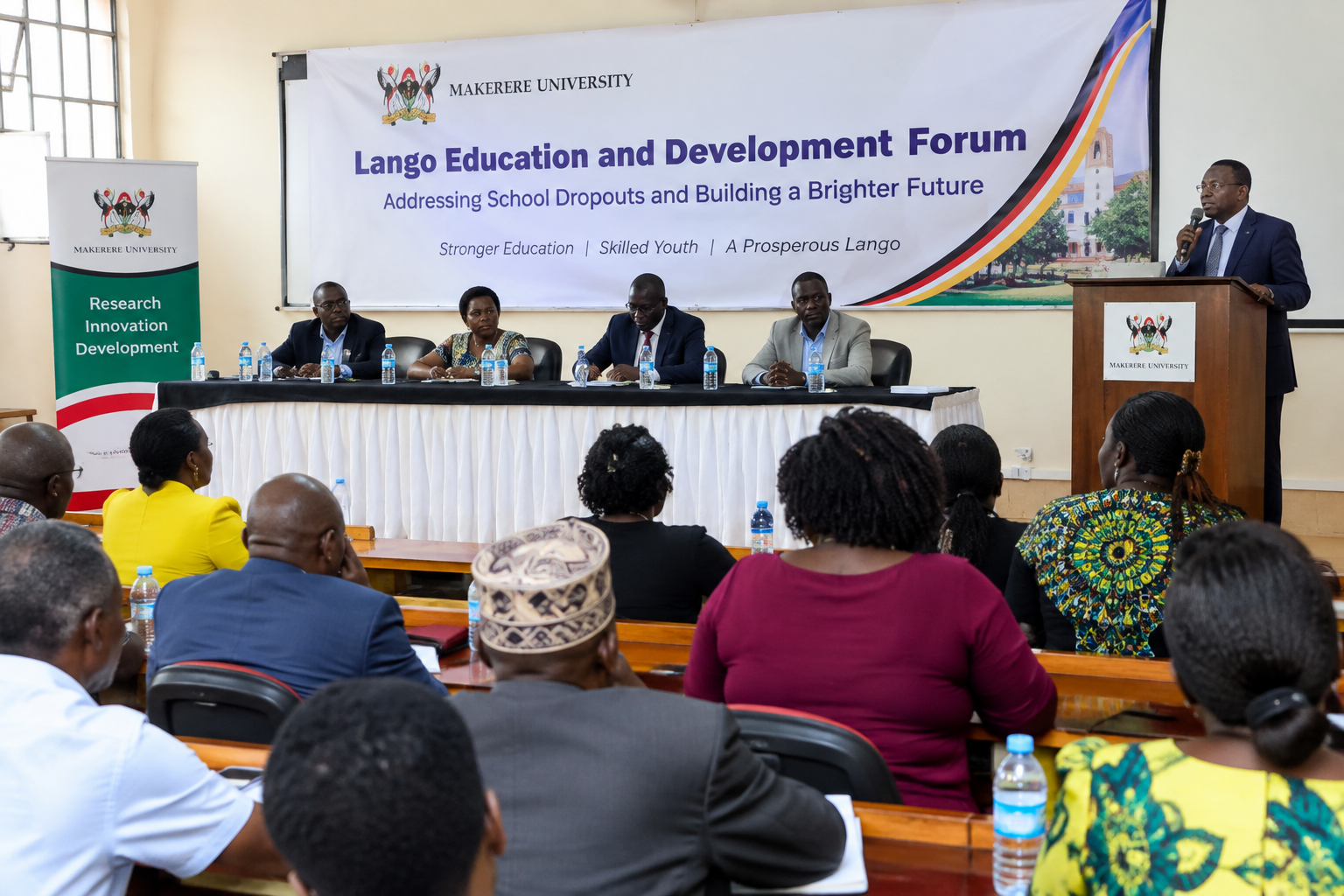
The concern was raised during a gathering of Lango intellectuals, professionals and leaders at Makerere University, where participants discussed some of the major challenges affecting the sub-region, including education, poverty and human capital development.
Figures presented to stakeholders indicate that approximately 780,000 learners enter primary school in Lango, but only about 250,000 progress to secondary school, while approximately 12,000 reach tertiary education.
The dramatic decline has raised concern over the future of Lango’s human capital, with leaders calling on professionals from the region to move beyond discussions and develop practical interventions capable of keeping children in school.
A widening education gap
The figures paint a worrying picture of learner progression across the education system. Out of approximately 780,000 learners who begin primary education, only about 250,000 make the transition to secondary school. By the time learners reach tertiary education, the number has fallen to approximately 12,000. This means that a significant proportion of children who begin their education journey do not reach the levels where they can acquire advanced skills and qualifications. For leaders and planners, the figures are more than just statistics. They represent thousands of young people whose educational journeys are being interrupted before they can fully develop their potential.
Professionals urged to move from talk to action
Lango professionals have been challenged to use their knowledge, experience, networks and resources to help address the problem. Stakeholders say professionals from the region can establish initiatives that directly support vulnerable learners and families, particularly those struggling to keep children in school. Possible interventions include scholarships, mentorship programmes, career guidance, academic support, community mobilisation and partnerships with schools. The call is also for professionals to work collectively rather than pursuing isolated initiatives. The challenge requires more than discussions. We need practical programmes that can identify children at risk of dropping out, support them and help them complete their education.
Retention must become a priority
Stakeholders argue that getting children into school is only the first step. Greater attention must also be placed on retention, completion and transition from primary to secondary and eventually tertiary education. They say communities need to understand why learners leave school and develop interventions that respond to those challenges. Parents, teachers, local leaders, cultural institutions, government agencies, development organisations and professionals all have a role to play.
If we lose children along the education journey, we are also losing part of the human capital that Lango needs to develop.
Education and poverty intertwined
The education challenge is closely connected to the broader socio-economic conditions affecting many families. When households struggle financially, children can face difficulties remaining in school and completing their education. Stakeholders therefore say education interventions must be linked to broader efforts to reduce poverty and improve household livelihoods. They also want greater emphasis placed on helping parents understand the long-term benefits of educating their children.
Why human capital matters
Education is one of the strongest foundations for sustainable regional development. A well-educated population provides the skilled workforce needed in areas such as health, education, technology, agriculture, business, engineering and public administration. For Lango to compete economically and create better opportunities for its young population, stakeholders say the region must invest heavily in keeping children in school. Failure to do so could leave the region with a smaller pool of skilled professionals capable of driving innovation, investment and economic growth.
A collective responsibility
The school dropout challenge cannot be addressed by government or schools alone. Stakeholders say parents must take an active role in their children's education, while schools need to strengthen learner support systems. Local leaders and cultural institutions can help mobilise communities, while professionals can provide mentorship, scholarships and technical expertise. Development partners and civil society organisations can also support programmes designed to improve retention and completion.
Turning concern into action
The Makerere University gathering has renewed the call for Lango’s professionals to transform their concern into measurable action. Stakeholders want programmes that have clear targets, identify vulnerable learners and track whether children remain in school and successfully transition to the next level. The emphasis, they say, should be on results rather than promises. For Lango, the future of its human capital will depend largely on what happens to the children currently entering its classrooms.
The challenge is therefore urgent: keep more children in school, help them complete their education and create opportunities for them to use their skills to transform the region. As Lango continues to pursue economic and social development, stakeholders say investing in education must remain at the centre of the region's agenda.
The future of Lango's human capital may depend on whether today's schoolchildren are given the support they need to stay in school and realise their potential.