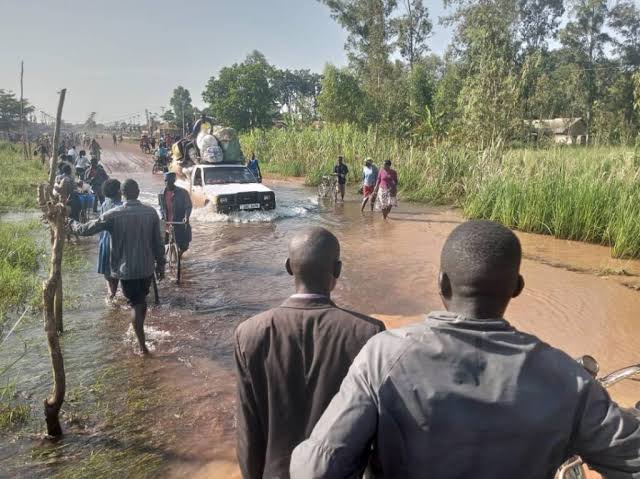
Oyam Communities Continue to Look to PDM for Household Economic Transformation

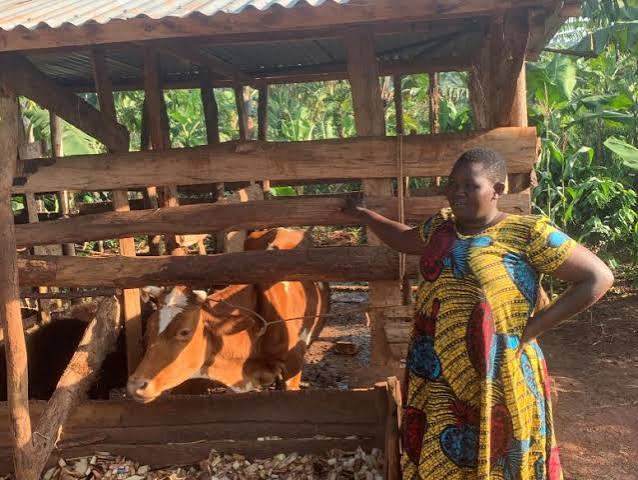
Oyam Communities Continue to Look to PDM for Household Economic Transformation
The Parish Development Model remains an important part of efforts to move households in Oyam District from subsistence activities into income-generating enterprises.
The programme is designed to provide parish-level financing to support households in establishing or expanding productive activities, including agriculture, livestock, trade and other small businesses.
In Oyam, attention has continued to focus on how parish-level structures can ensure that intended beneficiaries access funds and use them for productive activities.
The experience of some communities has also highlighted challenges surrounding the implementation of the programme, including delays in accessing funds and concerns raised by beneficiaries over the management of parish-level financing.
These challenges have increased calls for greater transparency, accountability and communication between beneficiaries, SACCO leaders and local government officials.
The success of the programme ultimately depends not only on the release of funds but also on whether beneficiaries are supported to select viable enterprises, manage their businesses and repay revolving funds.
Government's broader PDM strategy is intended to allow recovered funds to circulate among other eligible households, making accountability and repayment important components of the programme.
For farming communities in Oyam, productive use of PDM financing could support activities such as crop production, livestock rearing, poultry, value addition and small-scale trade.
Local leaders and programme managers therefore face the task of ensuring that beneficiaries understand the requirements attached to the funds while strengthening monitoring at parish level.
The programme also presents an opportunity for communities to move beyond simply receiving financial support and instead develop enterprises capable of generating regular household income.
As implementation continues, residents are expected to closely monitor how PDM resources are managed and demand accountability where problems arise.
The long-term measure of the programme in Oyam will ultimately be whether supported households can establish sustainable enterprises, improve their incomes and contribute to economic activity within their communities.
Related Stories
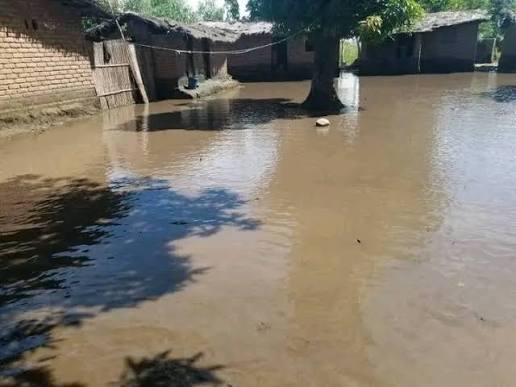
Amolatar Leaders Demand Urgent Relief as Flooding Displaces Communities
Kwania School Director Held After Alleged Confrontation With Parent

Lira City: 25-Year-Old Man Killed in Suspected Mob Justice After Alleged Burglary