Women Mobilized to Restore Degraded Wetlands in Lira District

Women Mobilized to Restore Degraded Wetlands in Lira District
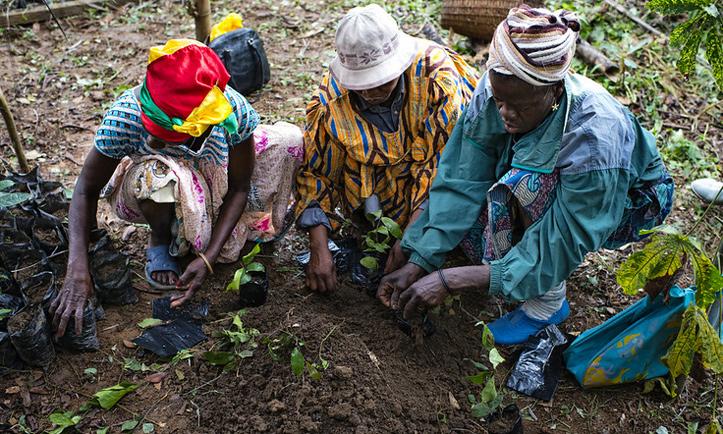
Women’s groups in Lira District are being mobilized to take a leading role in tree planting and environmental restoration as communities intensify efforts to protect degraded wetlands and respond to the growing effects of climate change.
The initiative is targeting rural communities across the district, where women are being encouraged to participate in tree planting, wetland restoration and other activities aimed at protecting natural resources while creating sustainable sources of livelihood.
Lira District has made progress in restoring degraded wetlands, with 46.1 percent of the affected wetlands reported to have been restored. The recovery has been linked to increased community awareness, environmental conservation activities and efforts to encourage people who previously depended on wetlands to adopt alternative livelihoods.
Wetlands are important to communities because they help regulate water, reduce the effects of flooding and drought, support biodiversity and contribute to the availability of water for domestic and agricultural activities. However, increasing pressure from farming, settlement, tree cutting and other human activities has placed many of these ecosystems under serious threat.
Lira District’s environmental profile identifies wetland degradation as a major concern, noting that wetlands have increasingly been reclaimed for settlement and agricultural activities. The district has also identified rapid tree cutting, particularly for household energy needs, as a challenge requiring increased tree planting and replacement.
Women at the centre of restoration
By placing women at the centre of the restoration campaign, district authorities and community partners are seeking to strengthen local ownership of environmental conservation.
Women in rural communities depend heavily on natural resources for household needs and agricultural production. Their involvement in restoration activities can therefore help ensure that conservation measures are connected to the economic realities of families.
The tree-planting activities are expected to contribute to the recovery of degraded landscapes while providing communities with opportunities to establish sustainable sources of income. Fruit trees, agroforestry and other environmentally friendly activities can potentially provide food, shade, soil protection and household income.
Protecting water and livelihoods
Wetland conservation is also being viewed as a climate resilience measure. Degraded wetlands have a reduced ability to regulate water and provide ecological services, increasing the vulnerability of surrounding communities to extreme weather conditions.
District environmental officials have reported that communities are gradually becoming more aware of the dangers associated with wetland degradation. Sensitisation, tree planting and livelihood interventions are among the approaches being used to encourage communities to protect wetlands.
The restoration campaign is expected to continue relying on community participation, particularly in areas where wetlands have previously been affected by cultivation and settlement.
For Lira District, the involvement of women could become an important part of sustaining the gains already made in wetland restoration. Continued tree planting, protection of restored areas and the adoption of alternative livelihoods will be essential if the district is to safeguard its wetlands for future generations.
Lango News | Environment & Climate