Abilonino Students Challenged to Turn Technical Skills Into Businesses

Abilonino Students Challenged to Turn Technical Skills Into Businesses
Students at Abilonino National Instructors College in Kole District have been challenged to use the technical skills they acquire in training to create businesses, employment and income within their communities.
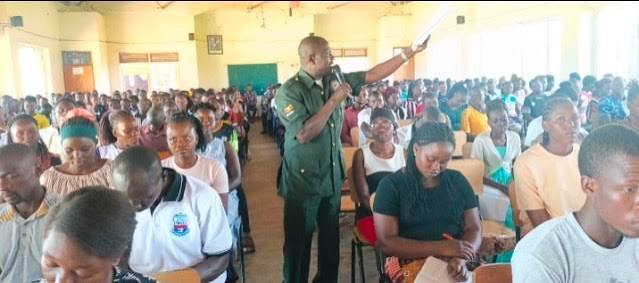
The call was made during a socio-economic transformation and patriotism lecture held at the institution, where students and staff were encouraged to look beyond formal employment after completing their studies.
The students were urged to consider their practical skills as an economic asset that can be turned into productive enterprises.
Skills highlighted during the engagement included welding, tailoring, building, carpentry and electrical installation, among other vocational areas.
The students were also encouraged to embrace entrepreneurship, value addition, financial literacy and commercialisation as ways of turning their skills into sustainable sources of income.
The discussion further encouraged young people to explore available government programmes that can support organised groups involved in production and enterprise development.
Students were advised to form small working groups, identify opportunities within their communities and begin with manageable projects using locally available resources.
The message comes at a time when many young people completing technical and vocational training face the challenge of finding formal employment.
For students in Kole and the wider Lango sub-region, the emphasis on local enterprise could provide an alternative to migrating to major towns in search of limited job opportunities.
Students who attended the engagement reportedly expressed a renewed interest in using their skills to serve communities while creating their own employment.
The college leadership welcomed the engagement, noting the importance of preparing learners not only for employment but also for self-reliance and productive participation in the local economy.
The initiative has also renewed attention on the role of technical and vocational education in helping young people move from training into practical economic activity.
For communities in Lango, the challenge now remains turning the skills acquired in training institutions into viable enterprises capable of creating jobs and supporting household incomes.