Severe Sickle Cell Crisis Spurs Calls for Mandatory Testing in Northern Uganda

Severe Sickle Cell Crisis Spurs Calls for Mandatory Testing in Northern Uganda
Health experts and community leaders are intensifying calls for widespread sickle cell testing in Northern Uganda as the Lango sub-region continues to record some of the country's highest rates of sickle cell disease.
Alebtong District has emerged as a major hotspot. Data cited by Uganda's Ministry of Health indicate that sickle cell prevalence in Alebtong is about 23.8 percent, compared with a national figure of about 17 percent in the data frequently cited by health officials. Adwir Village in Alebtong has been particularly highlighted for its exceptionally high burden.
The situation has renewed calls for routine and, in particular, pre-marital sickle cell testing, with health officials arguing that early knowledge of one's status can help families make informed reproductive decisions and enable affected children to receive treatment much earlier.
Sickle cell disease is an inherited blood disorder that can cause severe pain episodes, anaemia, infections and other potentially life-threatening complications. Delayed diagnosis can make management more difficult, particularly in communities where access to specialised testing remains limited.
Faster diagnosis comes to Apac
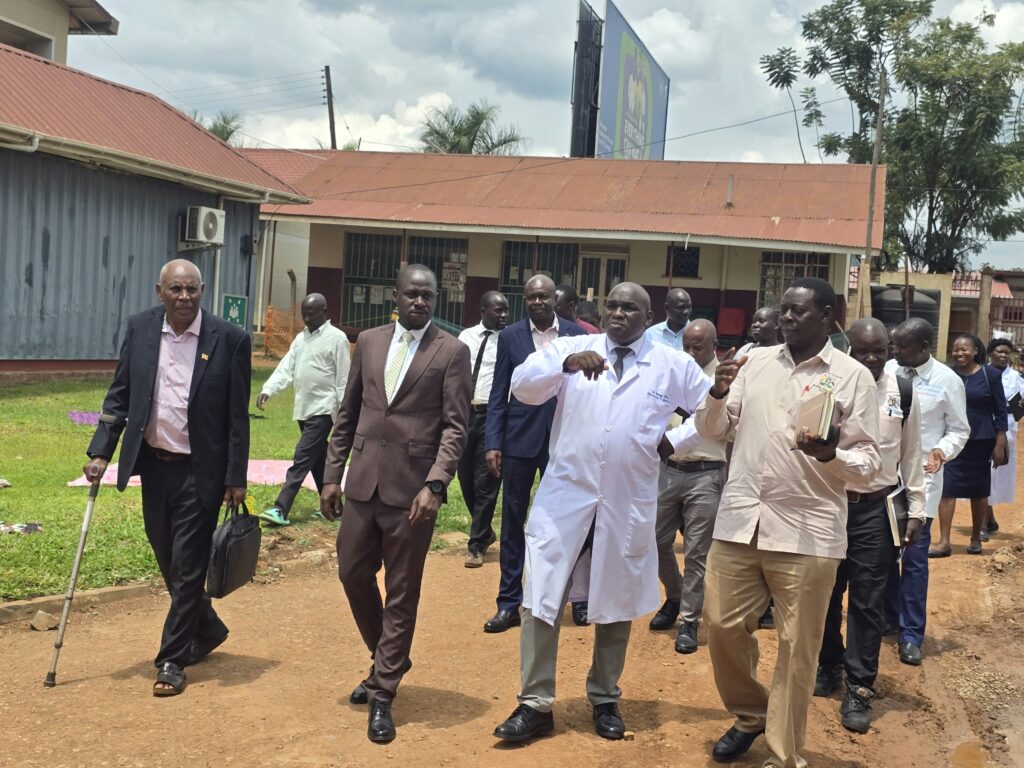
A major development in the regional response came in February 2026 when Apac General Hospital received a new sickle cell diagnostic machine from the Catherine Phil Sickle Cell Support Initiative.
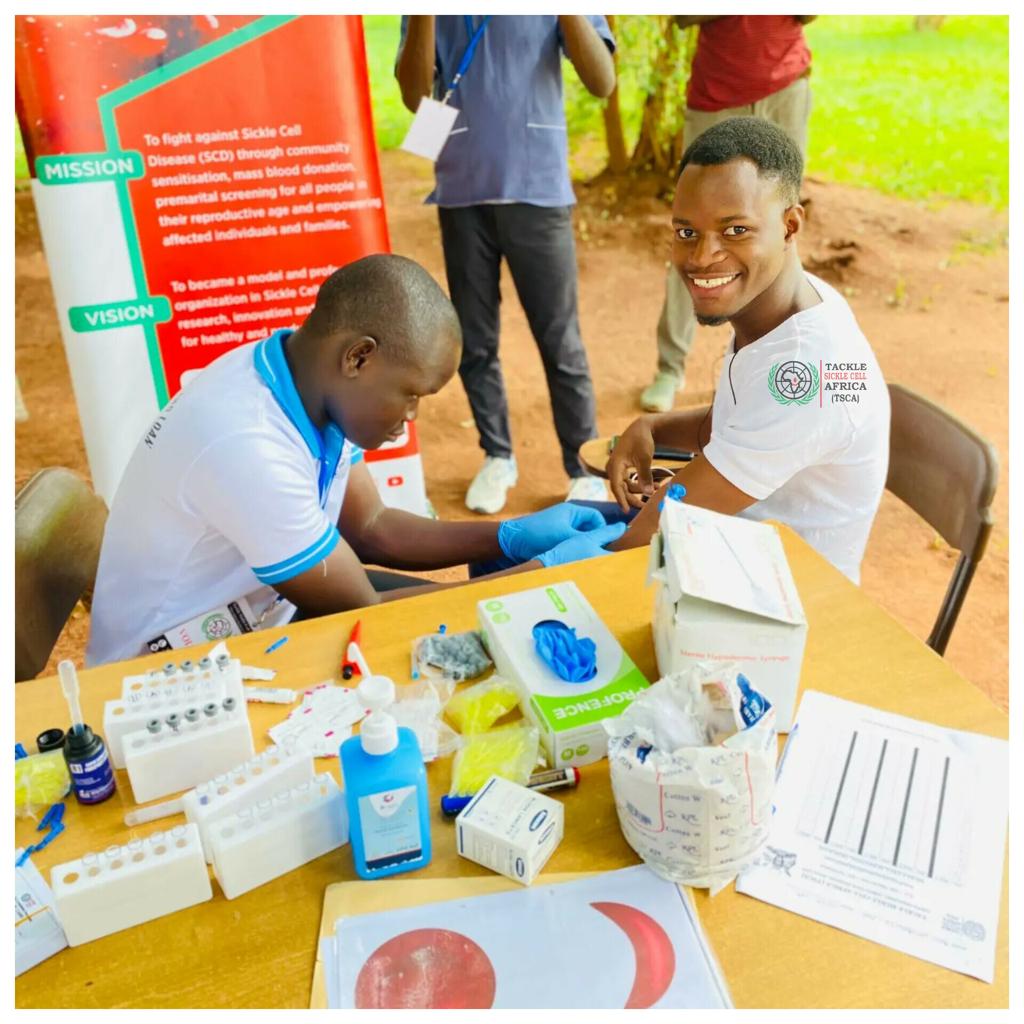
According to Radio Apac, the equipment, valued at more than Shs15 million, can produce results in approximately 8 to 15 minutes. Previously, some samples had to be transported to Kampala for testing, with patients potentially waiting weeks for results.
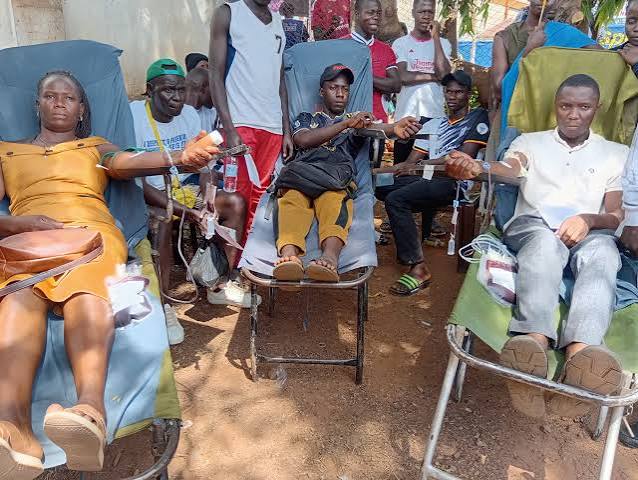
The initiative has also been working to expand diagnostic capacity in other parts of Lango. Reports indicate that machines have been procured for health facilities in the region using funds raised through sickle cell awareness and fundraising activities.
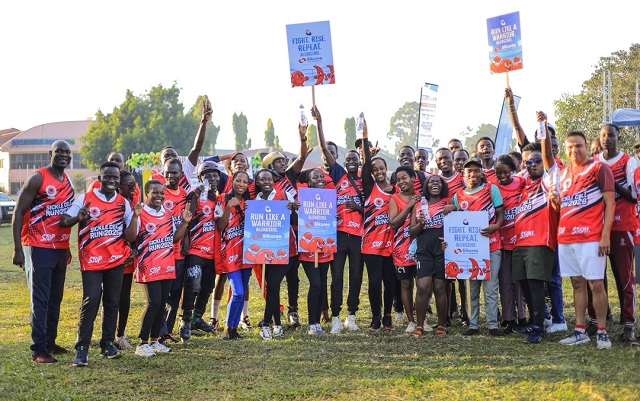
Daniel Roy Odur, Executive Director of the Catherine Phil Sickle Cell Support Initiative, has repeatedly stressed the importance of early testing, counselling and community awareness, particularly because young people constitute a significant proportion of those affected.
Hospitals under pressure
The growing burden is also being felt at Lira Regional Referral Hospital, which has become an important centre for sickle cell care in Northern Uganda.
Recent reports indicate that the hospital's sickle cell clinic has enrolled more than 1,400 children, with many receiving hydroxyurea, a medicine used to reduce complications and painful episodes associated with the disease. Health officials have called for care to be decentralised to district-level facilities to reduce congestion and make treatment more accessible to rural communities.
The Ministry of Health has also been strengthening national systems for sickle cell screening and management. Revised national guidelines launched in 2025 included measures to integrate sickle cell screening into newborn and non-communicable disease programmes.
The Ministry has additionally reported efforts to increase access to hydroxyurea and improve diagnostic services in Lango, where the burden remains particularly high.
Experts push for testing before marriage
Health officials and cultural leaders have increasingly advocated for couples to know their sickle cell status before marriage.
In 2023, Uganda's National Sickle Cell Coordinator, Dr Charles Kiyaga, cited Alebtong's high prevalence and urged clan leaders to encourage young people intending to marry to undergo testing.
Researchers have also identified a significant gap between awareness and actual testing. A study conducted in Alebtong found that although many respondents expressed positive attitudes towards people living with sickle cell disease, only 4 percent of participants had ever undergone sickle cell testing.
This gap has strengthened calls for testing to become more routine, particularly among young people, couples preparing for marriage and pregnant women.
Beyond testing: ending stigma
Health advocates say testing alone will not solve the crisis.
Families affected by sickle cell disease continue to face misconceptions, stigma and financial pressure. Previous reporting from Lango has documented beliefs that associate the disease with witchcraft or bad luck, making some families reluctant to seek appropriate medical care.
Community sensitisation, genetic counselling, early diagnosis, availability of medicines and decentralised treatment services are therefore being seen as essential components of the regional response.
The Catherine Phil Sickle Cell Support Initiative says its work includes community awareness, counselling, research and sickle cell screening in schools and communities.
As Lango continues to confront a high burden of sickle cell disease, health experts say the priority must be to move from late diagnosis and emergency treatment towards early testing, prevention, counselling and continuous care.
For families across Northern Uganda, the message from health advocates is increasingly clear: knowing your sickle cell status can save lives.